Destination Guide
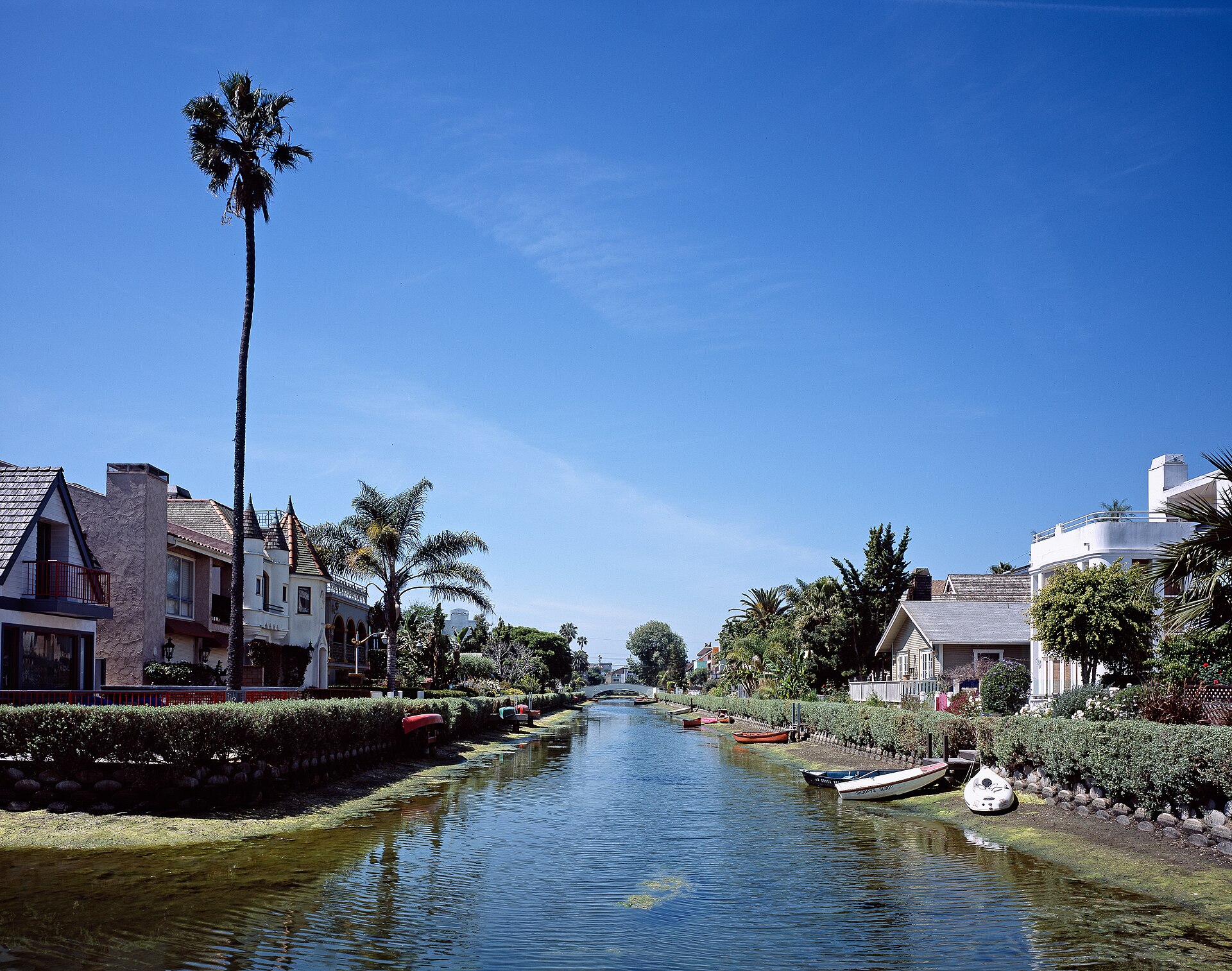
Venice Canals: The Quiet Side of Venice
Four blocks from the boardwalk crowds, the Venice Canals are the neighborhood's unlikely sanctuary — a walking guide to the prettiest half-mile in Los Angeles.

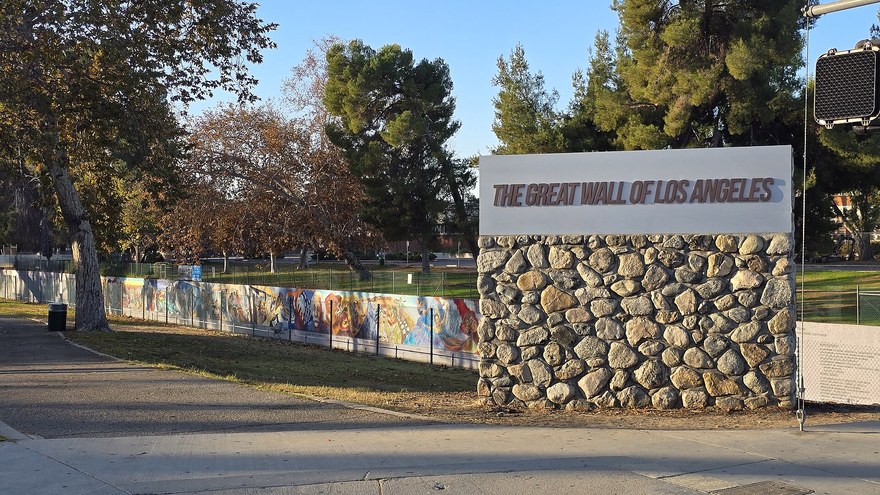
Venice film lore is a contact sport: every block claims a movie. So this guide only keeps claims that reputable sources verify, and it corrects the one that doesn't. Three famous titles, three checks. Two pass exactly as advertised. The third is more interesting than the myth.
Rydell High's face is Venice High School, 13000 Venice Boulevard. Movie-locations.com lists Venice High as the Rydell High location, and Smithsonian Magazine's history of the shoot confirms production began on the Venice campus in the summer of 1977: the exteriors, the first-day-of-school arrivals, the bleachers where the T-Birds sang “Summer Nights,” and the breezeway Stockard Channing circled for “There Are Worse Things I Could Do” are all Venice High. The honest footnote, also sourced: Rydell was a composite — interiors and the dance went to Huntington Park High School, and the final carnival field to John Marshall High School. Venice got the identity; the identity is the part everyone remembers.
Orson Welles shot Touch of Evil in Venice, California, from February 18 to April 2, 1957. Wikipedia's production account, citing the shoot record, says Aldous Huxley suggested the location — a decayed Venice whose canals and Bridge of Sighs Welles folded into the film's ending — to stand in for the fictional border town of Los Robles. The Academy's own program notes for the film say the same in one line: “Shot in Venice, California.” Venice dressed as somewhere else, and became noir's definitive border town without leaving Los Angeles.
Here is where we drop the standard claim. The famous Venice Beach basketball courts are routinely credited as the opening location of White Men Can't Jump — even Venice tourism material has said so. LA Weekly's 25-year retrospective on the film's locations found the truth: the opening courts were built for the production in a parking lot along the Venice Boardwalk at Rose Avenue, about a mile north of the real courts, because shooting at the actual courts over the summer of 1991 wasn't workable. Discover Los Angeles repeats the correction: the courts were recreated near the boardwalk off Rose Avenue, and the climactic tournament was filmed at Lafayette Park in Westlake. Harry Perry, the boardwalk's own guitarist, does genuinely appear in the film — that part of the lore checks out via his credits. The courts themselves don't. Venice still gets the scene, the streetball mythology and the pilgrimage. It just gets them honestly: a set that played Venice, a mile from the courts that inspired it.
KEEP READING
Four blocks from the boardwalk crowds, the Venice Canals are the neighborhood's unlikely sanctuary — a walking guide to the prettiest half-mile in Los Angeles.
From the legal graffiti walls to Abbot Kinney's commissioned pieces, Venice has more public art per block than anywhere in Los Angeles.
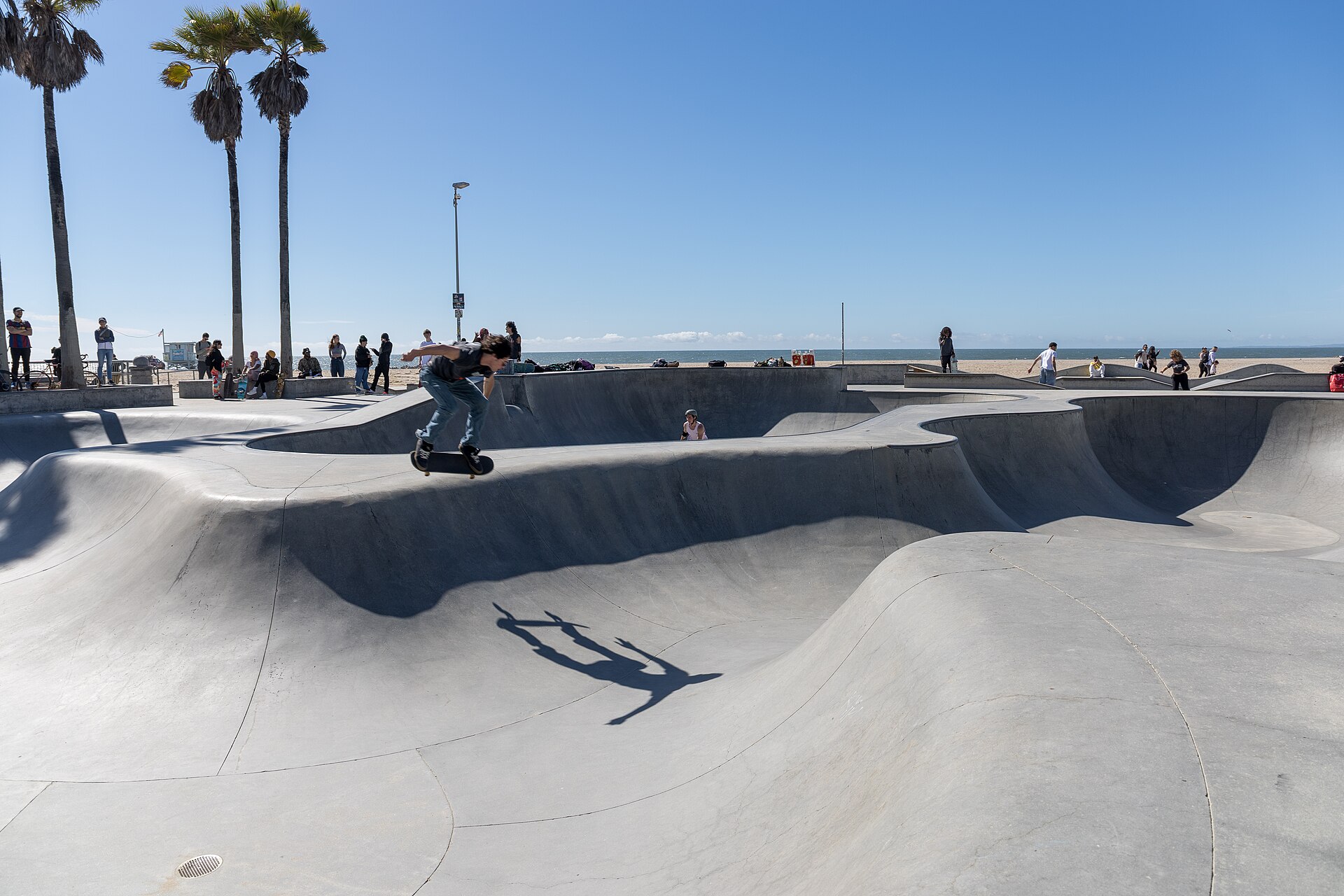
Sixteen thousand square feet of concrete bowls at the edge of the Pacific — inside the skate park that belongs to everyone and no one.